
Reviewed · BITOLA DAY TRIPS
Jewish Heritage of Monastir – Bitola
Jewish history in Bitola hits hard and then calms down. This private, English-language tour pairs the oldest Jewish cemetery in the Balkans with city highlights, so you understand both the loss and the daily life around it. I especially like how the route moves from graves and memorials to regular street corners, like Shirok Sokak and Bezisten, where you can feel the city’s layers.
The strongest part is the personal, family-history angle led by Rante (Bojan), who has a track record of researching family names and tying records to real addresses. One drawback to consider: it runs about 4 to 5 hours in good-weather conditions, and some parts are short stops on foot, so you’ll want comfy shoes.
In This Review
- Quick hits before you go
- Jewish Heritage in Bitola, One Careful Walk
- Meet Rante (Bojan): when family history becomes real
- Price and group size: value that makes sense
- The route: from the oldest cemetery to Ottoman-era streets
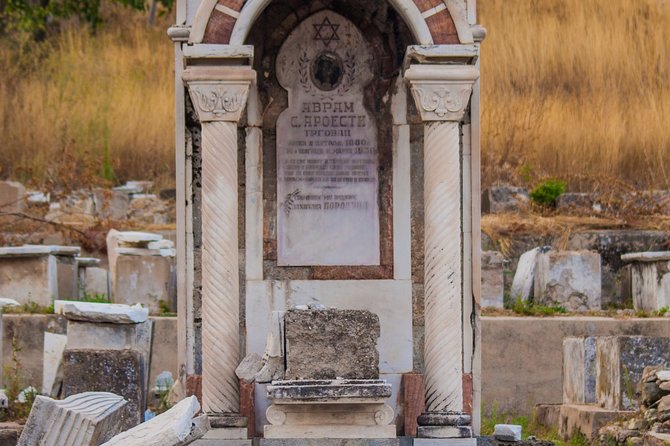
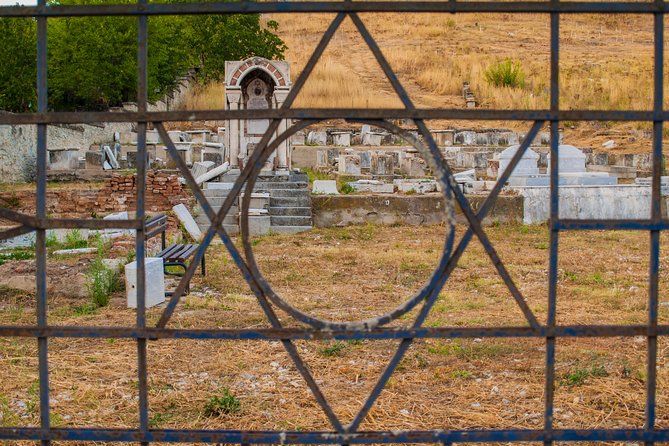
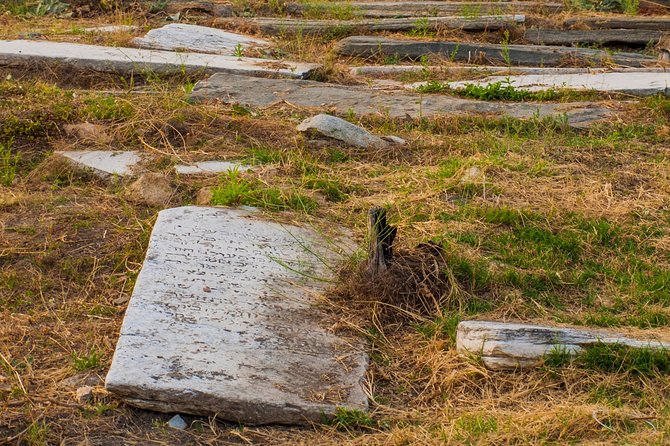
- Stop 1: the Jewish Cemetery in Bitola, oldest in the Balkans
- Stop 2: the Jewish Monument Bitola and the meaning of 15 March 1943
- Ottoman-era and historic architecture, seen through real streets
- Magnolia Square: a quick reset in the middle of the story
- Bezisten: the market-space stop that connects trade and culture
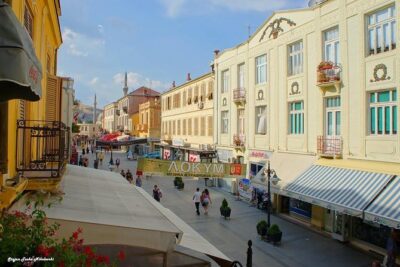
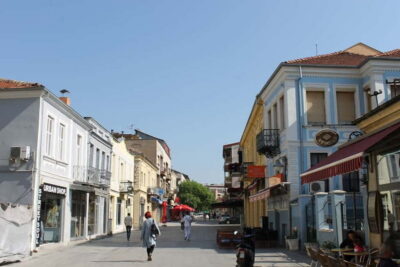
- Shirok Sokak Street: the walking break you can taste
- Bitola City Park: the Kahl Portugal synagogue pillars
- What to wear and how to pace yourself
- Mobile ticket, private group, and why the logistics matter
- Who should book this tour?
- Should you book Jewish Heritage of Monastir – Bitola?
- FAQ
- How long is the Jewish Heritage of Monastir – Bitola tour?
- What is the meeting point for the tour?
- Is the tour private?
- Is pickup included?
- What language is the tour in?
- What does the tour include, and what is not included?
- Are there admission tickets to pay?
- What if the weather is bad?
- What is the price?
Quick hits before you go
- Oldest cemetery focus at the Jewish Cemetery in Bitola, with a peaceful pace and free admission
- Memorial stories of 15 March 1943 at the Jewish Monument Bitola, with time for questions
- A true city walk through Magnolia Square, Bezisten, and Shirok Sokak Street
- Ottoman-era street setting built into the route, so heritage feels practical, not abstract
- City Park details including pillars connected to the Jewish Synagogue Kahl Portugal
- Private group only (up to 7) with English guiding, plus pickup available
Jewish Heritage in Bitola, One Careful Walk
Bitola is the kind of place where streets do not just look old, they explain how people lived. This tour follows that idea, starting at the Jewish Cemetery and ending with landmarks that show how the broader city evolved. You get both meaning and movement, which makes it easier to stay present instead of just passing by.
I like that the stops are structured but not rushed. For example, the cemetery stop is about 20 minutes, and the monument is about 15 minutes, then you transition into public squares and market streets where the city’s Ottoman-era character is visible. You’ll also have built-in freedom to ask questions and take brief pauses.
More trips south to Bitola and Heraclea:
Meet Rante (Bojan): when family history becomes real
The big reason this tour earns a top score is the guide. Rante (Bojan) is praised for being kind and professional, but more than that, he is known for paying close attention to your specific interests. If you have a family name tied to Bitola, you’ll likely get more than a general lecture.
In past bookings, he has researched family names in Macedonian archives and helped connect documents to real places you can stand in front of. People also describe finding the street address where grandparents lived, plus visiting the restored cemetery area where generations are buried. That kind of personalization is what turns a heritage tour into a personal journey.
Even if you do not have family ties to start with, I think the guide’s approach still works. The stories about Bitola’s Jewish community and what happened in 1943 are presented in a way that helps you follow along without needing background knowledge.
Price and group size: value that makes sense
The price is $289 per group, for up to 7 people, for a total duration of roughly 4 to 5 hours. In other words, you are not paying per person for a private experience. If you travel with family or friends, this can be a strong deal compared with multiple separate guided visits.
You also get useful basics included in the price, like pickup availability and a mobile ticket. The tour includes transport to and back from the Jewish Cemetery, which matters because cemeteries are often outside the most walkable zone. Admission is listed as free for the cemetery and the Jewish monument, so you are not budgeting for entrance fees at those core stops.
A fair caution: the tour price covers guiding and the cemetery transport, but it does not include coffee, tea, or snacks. If you plan to stop for a drink on Shirok Sokak Street, treat that as extra.
The route: from the oldest cemetery to Ottoman-era streets
This is a half-day format that mixes a calm, reflective start with lively city highlights. You meet in Bitola at the NI Institute and Museum Bitola St Clement of Ohrid area, and the tour ends back at the meeting point.
The walking portion is the “easy pace” style, not a long endurance hike. The stops are short by design: about 5 minutes at Magnolia Square, about 5 minutes at Bezisten, and about 10 minutes at Shirok Sokak Street. The rest of the time is spent at the cemetery and monument, plus travel and small breaks.
Also, the tour notes good weather is required. If rain or strong weather hits, you should expect rescheduling or a refund offer.
More of what happened here:
- Ohrid UNESCO Heritage: Full-Day Guided Tour from Skopje
★ 4.9 · 363 reviews - Ohrid UNESCO Heritage: Full-Day Guided Tour from Skopje
★ 4.5 · 45 reviews - Neoclassical Heritage of Skopje – Walking Tour
★ 5.0 · 1 review - Skopje: Private Walking Tour of Historic Sights
1 review
Stop 1: the Jewish Cemetery in Bitola, oldest in the Balkans
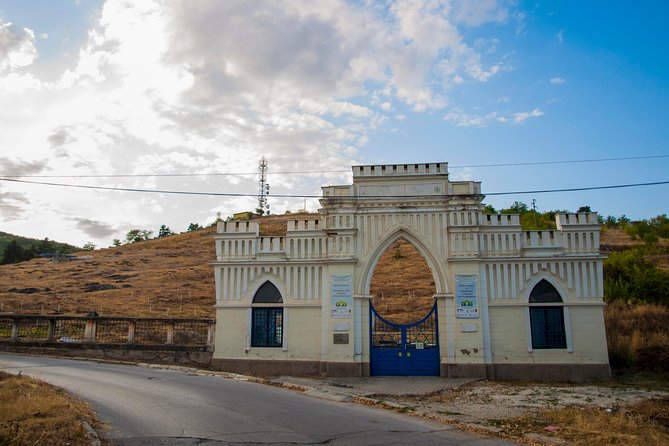
Your first real anchor is the Jewish Cemetery in Bitola, described as the oldest standing Jewish cemetery in the Balkan. The listed time is about 20 minutes, with free admission.
This stop works because it sets a tone you carry for the rest of the walk. You are not just learning names in a classroom way, you are seeing how a community chose to remember people over centuries. In past experiences with this guide, people have reported powerful connections to ancestors, including the idea of visiting a cemetery area where centuries of family members are buried.
What I like for you, practically speaking, is that the cemetery visit is short enough to keep the experience manageable. You can stay respectful without feeling trapped there for hours. If you want to ask a lot of questions, this is a good place to do it, because the cemetery context helps everything the guide explains land more clearly.
Stop 2: the Jewish Monument Bitola and the meaning of 15 March 1943
Next comes the Jewish Monument Bitola, placed by the citizens of Bitola in memory of their lost fellow citizens. The stop is about 15 minutes with free admission.
The key detail here is the date: 15 March 1943. The guide will tell the dreadful events connected to that day, and the monument setting helps you understand it as local history, not a distant headline.
One reason this stop earns praise is how it connects story to place. When a guide ties a named event to a specific memorial you can stand before, you stop thinking in generalities. You also get room to ask questions, which matters when a topic is emotional and personal for you.
Ottoman-era and historic architecture, seen through real streets
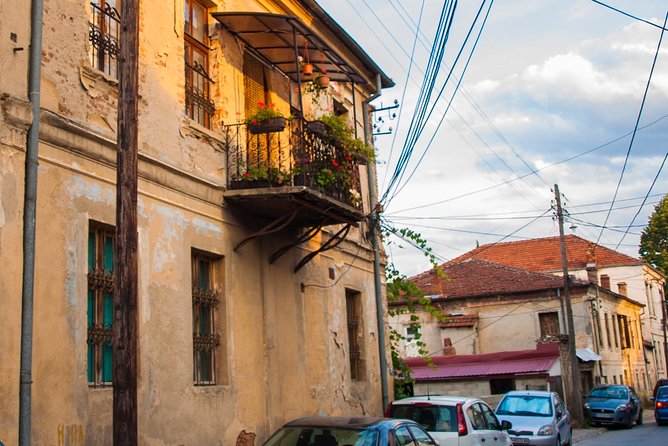
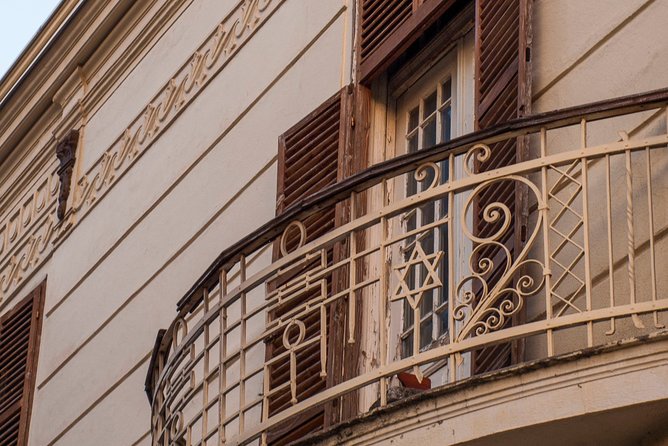
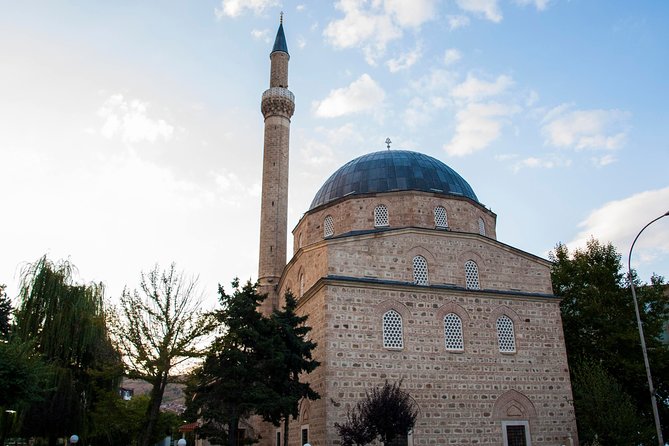
Between the two Jewish heritage stops and the city-center highlights, you also get what the itinerary calls heritage of the mighty Ottoman Empire and historic architecture in Bitola. Instead of turning this into an art-history checklist, the tour treats architecture as part of the lived environment.
You’ll see the kind of city design that supported trade, movement, and everyday social life. That matters because Jewish history in Bitola did not happen in a bubble. It happened beside markets, courtyards, squares, and streets where people gathered.
I also like that this part of the walk does not steal the whole show. The cemetery and monument keep their emotional weight, while the Ottoman and architecture stops provide context so you can better understand why the city’s spaces mattered.
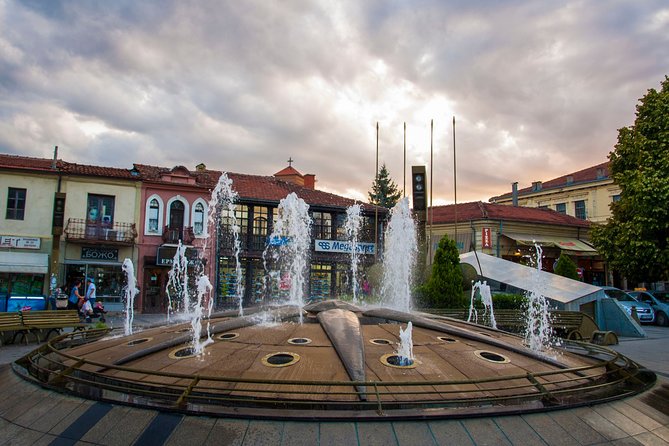
Magnolia Square: a quick reset in the middle of the story
Magnolia Square is one of the short stops, about 5 minutes. It is listed as a highlight of Bitola.
Think of it as a breather point in the middle of a heavier sequence. By the time you reach the square, you are moving from memorials back into open city space, where it is easier to orient and absorb the shape of the city. If you feel the pace emotionally, this brief stop helps you reset without skipping important context.
Even in a short window, squares give you something practical: a sense of direction. If you plan to explore after the tour, this kind of orientation helps you return to the right areas with less stress.
Bezisten: the market-space stop that connects trade and culture
Bezisten is another highlight stop, about 5 minutes. The itinerary keeps it simple, see the highlights of Bitola.
Market areas are never just about commerce. In historic cities, markets are where languages mix, where news spreads, and where people learn what others are wearing and buying. That is why including a market-space stop in a heritage tour can feel surprisingly relevant.
You do not need to study architecture to get value here. You just need to look at how the space is arranged, and notice how it fits into the city streets around it. The guide’s explanation is what helps you connect the dots between Ottoman-era urban design and daily life.
Shirok Sokak Street: the walking break you can taste
Shirok Sokak Street, also called Wide Street in the notes, gets about 10 minutes. It is another highlight stop, and it is one of the most practical breaks in the tour.
The itinerary specifically suggests coffee and/or tea here, since it is a popular place for that local culture. If you want to pause and recharge, this is where it fits naturally. The tour does not include snacks or drinks, but it helps you decide where to add them without derailing the schedule.
I also like the idea of food as context. The tour notes a sweet-shop in Bitola that makes a Jewish cake in honor of the loss of their fellow citizens. If that shop is open when you are there, it is a meaningful way to connect the story you just heard with something you can taste. Just treat it as optional, since it is not included.
Bitola City Park: the Kahl Portugal synagogue pillars
The final named stop is Bitola City Park, about 5 minutes. In the park are the pillars of the Jewish Synagogue Kahl Portugal, described as a monument.
This is a quieter ending than the market street stops, and that’s a good thing. You end with physical traces, remnants you can photograph and point to, rather than just memories of stories. Seeing pillars tied to a synagogue name gives the tour a sense of continuity, linking community life to the city’s modern landscape.
It is also a stop that helps you understand how heritage survives. Even when buildings are gone or changed, memorial elements stay behind, giving you a place to hold the story.
What to wear and how to pace yourself
Because it is a half-day walk with multiple short stops, you’ll be most comfortable with shoes that work on uneven sidewalks. The tour requires good weather, and it is described as most travelers can participate, but it is still a walking city day.
Plan for this rhythm: cemetery, monument, then city highlights. If you know you get tired during reflective stops, you might appreciate that the times listed are reasonable. The structure keeps you moving, but it never rushes the cemetery and monument too hard.
Also, since coffee and snacks are optional, you might want to bring water. The itinerary does not list it, but having it in your day kit helps you keep energy up so the tour feels easy instead of exhausting.
Mobile ticket, private group, and why the logistics matter
This is a private tour/activity, meaning only your group participates. That matters because private guiding changes how easily you can slow down, ask questions, or make the story more personal.
You also get a mobile ticket. That is the kind of small modern convenience that keeps your morning simpler. Pickup is offered, which can save you time when you are trying to fit Bitola into a busy travel schedule.
One more detail that helps planning: transport to and back from the Jewish Cemetery is included. You do not have to think through which taxi, which route, or how to coordinate a timing gap between the cemetery and the central streets.
Who should book this tour?
This tour is a great fit if you want Jewish heritage tied to real places, not just a one-note overview. It works well for family history travelers, especially if you have names and dates you want to connect to the city.
It also fits people who like a guide who can answer questions thoughtfully. The guide Rante (Bojan) is praised for answering questions and adjusting pace, including stopping for breaks or food needs. Even if you come without documents, that responsiveness keeps the experience human.
You may want to think twice if you are looking for a long, museum-style day. This is about walking and standing in locations, with short time windows at city highlights.
Should you book Jewish Heritage of Monastir – Bitola?
I’d book it if your top priority is to understand Bitola’s Jewish heritage through place-based storytelling. The combination of the oldest cemetery focus, the monument tied to 15 March 1943, and the city highlights like Magnolia Square, Bezisten, and Shirok Sokak gives you context that lingers after the tour ends.
I would not book it if you dislike walking on uneven city streets, or if you expect a weather-independent schedule. Good weather matters here, and the tour format is designed around outdoor movement.
If you are a small group, paying $289 for up to 7 people can feel fair. The private nature plus the guide’s personal research strengths are exactly the kind of value that turns a city tour into something you remember, because it connects story, memory, and specific places.
FAQ
How long is the Jewish Heritage of Monastir – Bitola tour?
It runs about 4 to 5 hours.
What is the meeting point for the tour?
You meet at NI Institute and Museum Bitola St Clement of Ohrid, St Clement of Ohrid BB, Bitola 7000, Manastiri, North Macedonia.
Is the tour private?
Yes. Only your group will participate, and the group size is up to 7.
Is pickup included?
Pickup is offered.
What language is the tour in?
The tour is offered in English.
What does the tour include, and what is not included?
Included: transport to and back from the Jewish Cemetery. Not included: coffee and/or tea, and snacks.
Are there admission tickets to pay?
The itinerary lists free admission tickets for the Jewish Cemetery and the Jewish Monument Bitola, and the other named stops are treated as highlights.
What if the weather is bad?
The tour requires good weather. If it is canceled due to poor weather, you will be offered a different date or a full refund.
What is the price?
It is $289.00 per group (up to 7 people).
New on the site from Ohrid
- Ohrid: Watersport Adventures★ 5.0 · 1 review
- Ohrid city walking tour★ 5.0 · 1 review
- Yoga classes★ 5.0 · 1 review
- Private Transfer from Ohrid to Airport Skopje★ 5.0 · 1 review
- Hiking to Magaro peak from Ohrid★ 5.0 · 1 review
- Sightseeing Transfer from Ohrid to Skopje Via National Park Mavrovo★ 5.0 · 1 review
Bitola Day Trips, compared.


Full Day Jeep Safari Pelister Tour from Ohrid and or Bitola
Read our review →
Private Full-Day to Ohrid and Bitola from Skopje
Read our review →
Browse the lists this tour appears in