
Reviewed · SKOPJE TOURS
Skopje From Above: An Experience from the Mountains
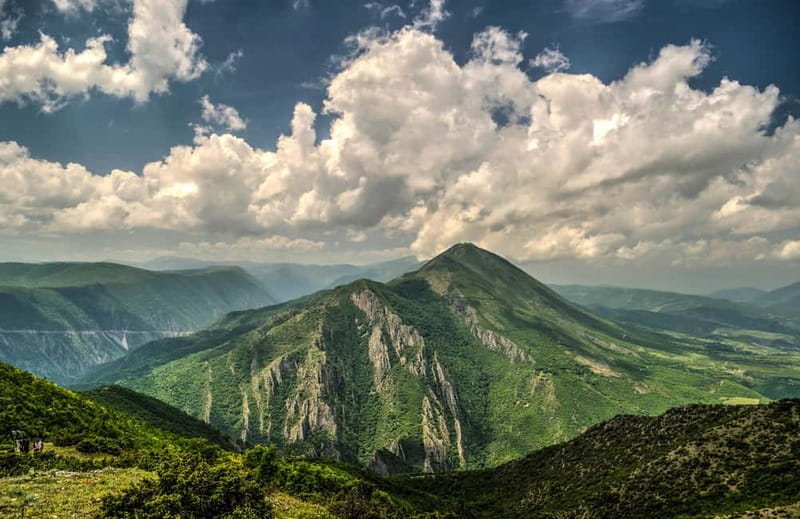
Skopje feels like a painting from above. This half-day hike takes you up from the Treska River canyon into the Vodno hills for no-drone views and medieval stops that change the way you see Skopje.
I love the history you walk through, starting with the St. Nikola Shishevski monastery stop and moving onward to Byzantine-era sites on the mountain. I also love the payoff at the viewpoints, where the city, Vardar, and surrounding peaks like Shar Planina and Skopska Crna Gora show up all at once.
One consideration: the route is about 10 km with roughly 800 m of uphill, so it can feel tough if you do not hike often, and cable car timing can affect distance on some days. If you have heart problems, this is not the right fit.
In This Review
- Key things I’d plan around
- From the Treska River up toward Vodno’s big views
- St. Nikola Shishevski, Andrej’s story, and the stop that slows you down
- Zoki’s rakija and coffee, and why the monastery stop feels personal
- The rocky climb to the viewpoint, and the river canyon reveal
- Peak Kota and the mountain map you can see with your own eyes
- Millennium Cross climb versus St. Pantelejmon descent
- Cable car to Sredno Vodno, and how to think about timing
- Price and what your 88 dollars really buys
- The guide makes the hike feel safe and fun
- Who this hike is best for, and who should skip it
- What to bring, and the small stuff that keeps the day easy
- Should you book Skopje From Above?
- FAQ
- How long is the hike?
- Where does the tour start and end?
- What is the hike distance and uphill gain?
- Is the route suitable for beginners?
- What should I bring?
- What is included in the price?
- Which viewpoints or areas will I see?
- What languages are available for the guide?
- Can I bring my own alcohol?
- Do cable cars run every day?
Key things I’d plan around
• Matka Canyon start to Vodno heights, so you get canyon-to-city views in one go
• St. Nikola Shishevski (14th century), plus a stop that feels like a small living museum
• Zoki’s rakija and homemade coffee, a very Macedonian pause with local stories
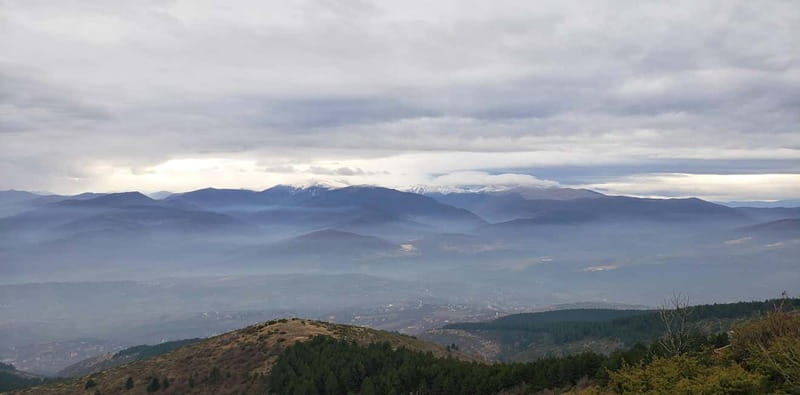
• Peak Kota panorama, with sights toward Shar Planina, Skopska Crna Gora, and Kitka
• Two end options, Millennium Cross for a final climb or St. Pantelejmon for a church-focused finish
From the Treska River up toward Vodno’s big views
Your day starts with pickup in Skopje and a transfer to the trailhead near the old bridge on the river Treska. Right away, the sound of the water is part of the experience, because you are hiking beside that canyon rhythm instead of just climbing a road.
The whole route is designed to feel like a guided progression of eras and angles. First you move through the canyon approach, then the trail tightens into a rocky climb, and eventually you pop out into wide-open views from the Vodno area. It is that change, canyon sound to mountain quiet, that makes this feel like a real hike and not a quick sightseeing stop.
More tours based in Skopje:
St. Nikola Shishevski, Andrej’s story, and the stop that slows you down
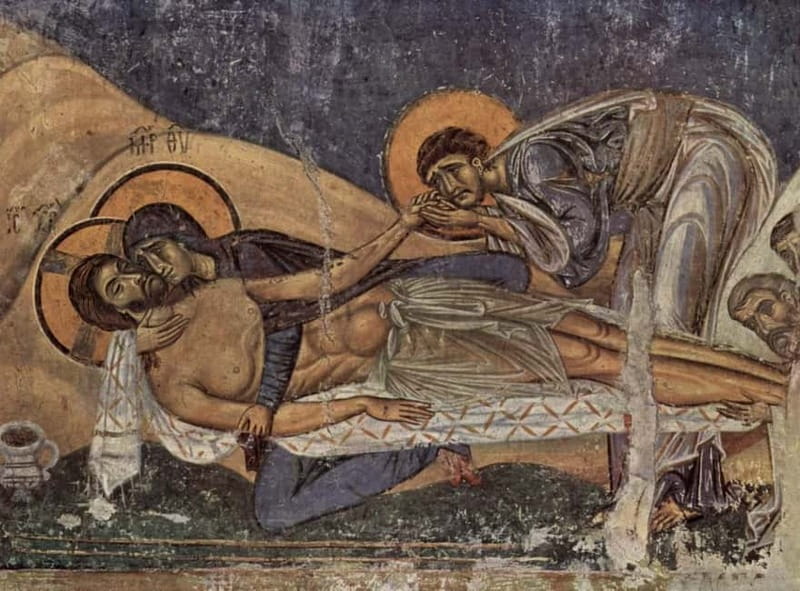
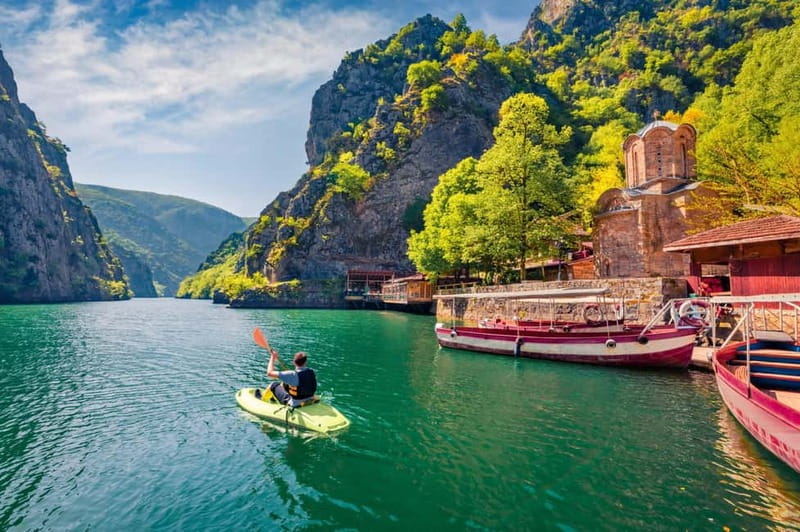
The early highlight is the monastery stop at St. Nikola Shishevski. It is described as a true piece of art from the 14th century, and even when details are limited, the place still carries a sense of time depth.
What makes this stop more than just a building: there is a specific local connection tied to Andrej, the brother of King Marko, who helped the resurrection and renewing of the holy place. And the guide storytelling includes the monastery’s long rhythm of care, where there was never more than one monk living and taking care of the place for centuries.
Practical tip: plan to arrive ready to look. This is not the kind of site where you rush past for photos and move on. Even if you are fit and steady, you will want a few minutes just to read the setting and let it sink in.
Zoki’s rakija and coffee, and why the monastery stop feels personal
You will meet the housekeeper Zoki at the monastery. The tour includes rakija and homemade coffee, served with the kind of hospitality that is hard to bottle and easy to remember.
This is also where the experience becomes less generic. If Zoki is in the mood, he shares stories about typical houses in Skopje, which helps you connect the mountain view to how people actually lived and built their way through the city’s different eras.
One more detail that matters: the monastery area can be surprisingly quiet when you are there with fewer people. When that happens, the tour description is accurate about the feeling of inner peace from the rocks and the stillness around you. Even if the day is busy, the pause is still one of the most memorable stretches.
The rocky climb to the viewpoint, and the river canyon reveal
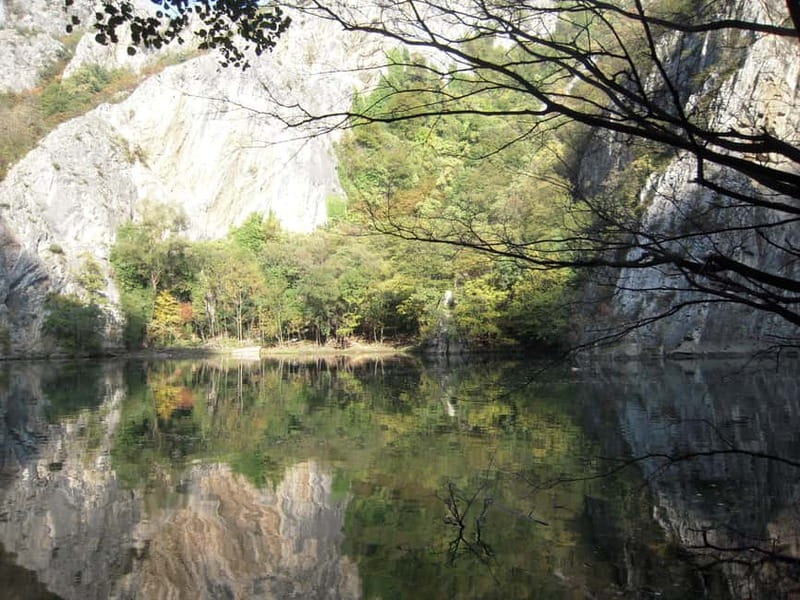
After St. Nikola Shishevski, the path gets steeper. It is still described as a beautiful rocky journey, but this is where good footwear matters. Your feet will thank you later if you choose shoes with solid grip and ankle support.
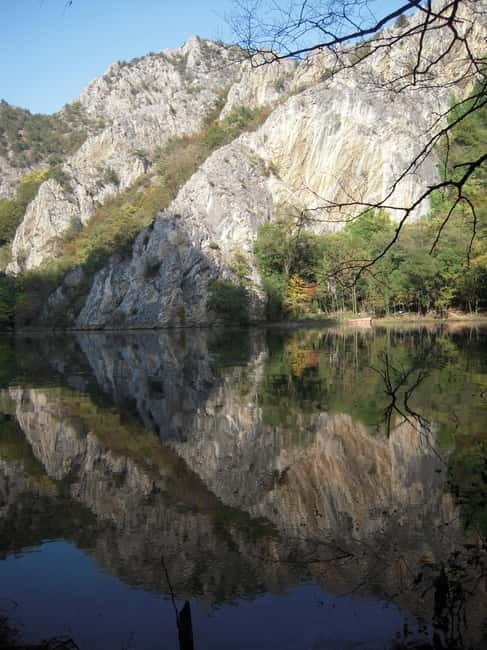
A key moment comes after about 20 minutes from this steeper section, when you reach a viewpoint that can leave you speechless. This is your big “from up here you understand the city” reveal: the flow of the Treska River, the canyon, and the monasteries (including Nikola Shishevski and the view toward Saint Andrea) spread out beneath you.
Then you get to do the part your camera cannot fully capture, because you are still walking and breathing in mountain air while you look. You can spend time taking photos, but do not forget to actually pause and look without framing it. The canyon and monasteries combination is the reason this tour works as more than a checklist.
Keep Skopje open a little longer:
- From Skopje:Kosovo in a Day-Group Tour to Pristina & Prizren
★ 4.7 · 372 reviews - Ohrid UNESCO Heritage: Full-Day Guided Tour from Skopje
★ 4.9 · 363 reviews - Group Tour from Skopje:Millennium Cross,Matka Canyon&Etno Village
★ 4.5 · 311 reviews - Skopje: Matka, St.Pantelemon, Millennium Cross Tour & Brunch
★ 4.9 · 288 reviews
Peak Kota and the mountain map you can see with your own eyes
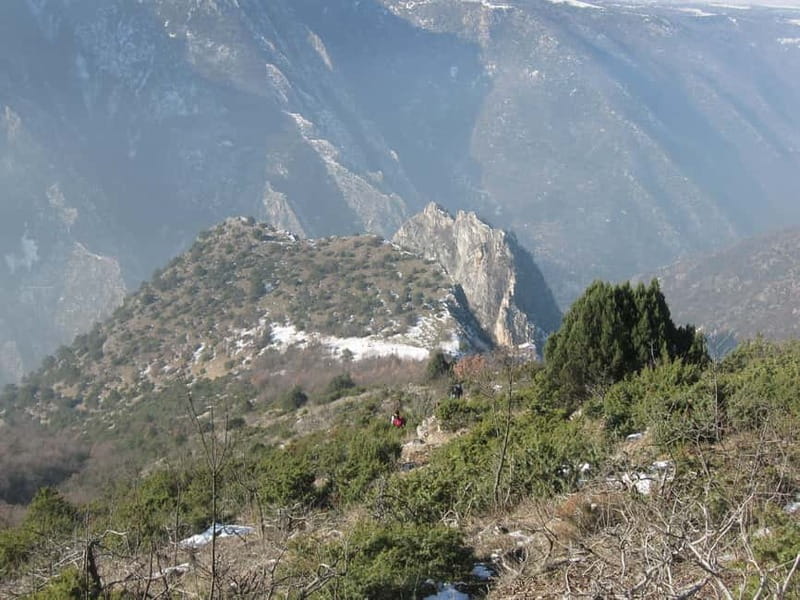
Next comes the push toward Peak Kota. On good timing and in the right season, you might even be accompanied by cows from local villages. Between May and October, cows are walking free in the area, and it adds a very real, unperformed feeling to the hike.
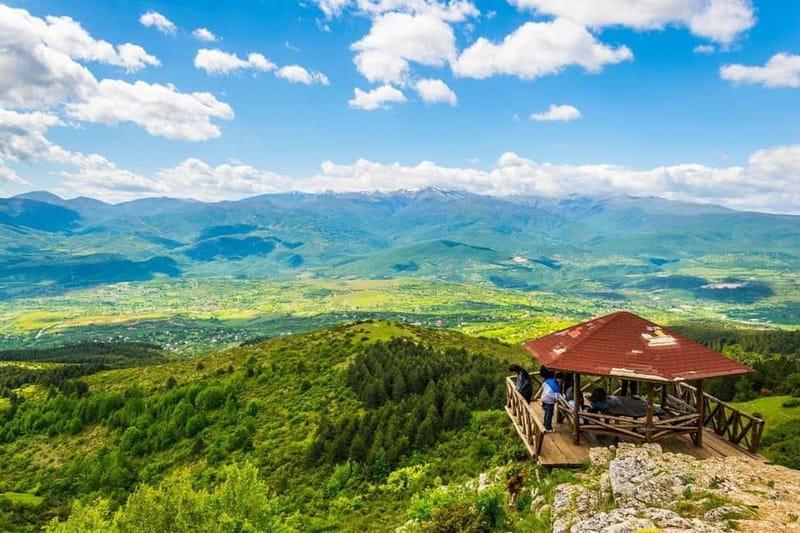
When you finally arrive at Peak Kota, the city opens up in front of you. The views are not just “Skopje is below,” but a full mountain-to-city map. You get lines of sight toward Shar Planina in the west, Skopska Crna Gora in the north, and Mount Kitka in the east.
And the sightseeing details matter because they connect the city’s landmarks into a single mountain perspective. You can spot the connection of the stone bridge with Vardar, plus the link between Chair municipality and Kale fortress. If you are the type who likes to understand a place, not just see it, this is the moment.
This viewpoint is also where the tour gives you a choice on how to finish.
Millennium Cross climb versus St. Pantelejmon descent
From Peak Kota, you get two possible routes from there. The idea is simple: pick the kind of ending you want, climb more for the cross, or go down toward the church complex.
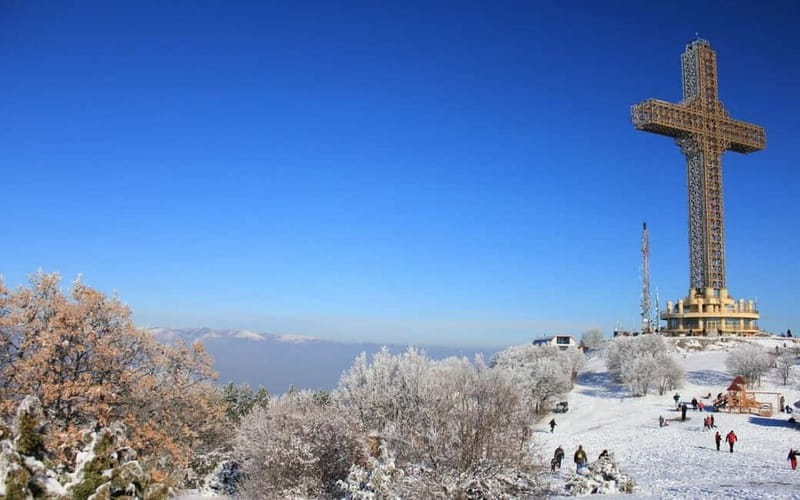
Option 1 is hiking for about two hours to the Millennium Cross. The tour includes a Millennium Cross beer, so you get a celebratory stop built into the effort. The cross finish is usually the best fit if you want the most dramatic final viewpoint and you enjoy that last stretch of steady climbing.
Option 2 is going downhill to St. Pantelejmon monastery. This is where the tour leans more cultural than summit-focused. St. Pantelejmon is described as a small 12th century Byzantine church located in the monastery complex. It is also noted as something many people do not know well, which means you get a calmer, more intimate ending than the big cross moment.
Either way, the value is that you are not just walking from point A to point B. You are choosing how you want the story to land, either on a high landmark or on an older spiritual site.
Cable car to Sredno Vodno, and how to think about timing
The tour includes a cable car to Sredno Vodno. That matters because it changes the way you experience the climb. Instead of forcing every meter by foot from the start, the cable car helps you conserve energy for the hiking sections that deliver the views.
Here is the practical note from experience shared with the tour: on Mondays, cable cars do not work, and the hike distance can end up closer to 17 km instead of 10 km. If you are choosing your day, it is worth knowing this, especially if you are not used to longer stretches.
If you want the easiest day, pick a weekday when the cable car is running. If you end up on a longer day, do not panic. A good guide will adjust pacing, and you still get the same mountain rewards.
Price and what your 88 dollars really buys
At about $88 per person for around 6 hours, this is not a bargain like a free city walk. It is also not overpriced for what you get.
What you are paying for is a bundle of things that are hard to DIY smoothly:
• transfers from and back to your hotel
• a guided hiking route with multiple medieval stops
• tickets for the Monastery of Saint Panteleimon
• the cable car to Sredno Vodno
• the included Millennium Cross beer
• and, depending on the season, the option of lunch at a restaurant on Vodno
For me, the value is less about admissions and more about access. The mountain viewpoints are available to anyone, but the route flow, the history tie-ins, and the timing between stops are what turn it into a one-day experience rather than a stressful climb.
Also, you get private group format. That matters because it usually means fewer crowds pressing in on photos and slower pacing when you need it.
The guide makes the hike feel safe and fun
The tour is led by a live guide, and the languages listed are Bulgarian, English, German, Macedonian, and Serbo-Croatian. That language coverage is practical if you want clear explanations of what you are seeing, not just a route description.
Names that showed up in the feedback include Vlado or Vladimir and Vojo, and the tour provider is Gushevski Vojislav. One of the most praised points is the guide approach to the hike, including preparation like packing lists and weather updates a few days before.
You will also notice a consistent theme: the guides bring snacks and drinks, and they plan options based on your pace. In at least one experience, the guide even prepared ways to exit the mountain at various points if someone felt tired or stressed. That is not just friendliness. That is real risk management on a hillside hike.
If you are a slower walker, this style of guiding tends to work well. If you want a challenge, they can still keep you moving. Either way, the guide reduces the mental burden.
Who this hike is best for, and who should skip it
This is a serious half-day hike. The route is listed as 10 km and about 800 m positive altitude gain, and the tour itself says it is not suitable for people with heart problems or people without experience.
So, who is a good match:
• you hike sometimes and know you can handle rocky sections
• you want city views with real walking, not just viewpoint photos
• you like history stops that come with specific stories
• you prefer guided pacing and clear trail navigation
Who should think twice:
• anyone who struggles with steady uphill effort
• anyone who has been told to avoid strenuous hiking for medical reasons
If you are between beginner and intermediate, ask your guide about pacing options. One of the feedback highlights is that the guide can propose a slower and steady ascent based on your fitness and request.
What to bring, and the small stuff that keeps the day easy
The tour lists what to bring, and I agree with every item:
• hiking shoes
• sunglasses
• head covering or kippah
• personal medication
Also, based on practical advice from the experiences shared, bring a small backpack for water and snacks. Even with guides providing extra snacks and drinks, you still want your own comfort kit.
One small but important note about alcohol: the tour says alcohol and drugs are not allowed, yet the experience includes a beer at the Millennium Cross and rakija served at a monastery stop. The practical takeaway is simple. Do not bring your own alcohol. Let the tour handle the included drinks and keep your day controlled.
Should you book Skopje From Above?
I think this is a great choice if you have at least a day in Skopje and you want something active that explains the city. The combination of Matka Canyon area hiking, medieval churches and monasteries, and panoramic viewpoints toward Shar Planina, Skopska Crna Gora, Kosovo, and Serbia (weather and visibility dependent) makes this feel like a full story, not a shortcut.
Skip it if you want an easy stroll, have heart concerns, or do not have hiking experience. And if you can pick your date, consider avoiding Mondays if you do not want extra walking caused by cable car downtime.
If you fit the hike profile, book it. You will come away with a Skopje you can actually picture, with church stops you remember for their human stories, and views you cannot get from street level alone.
FAQ
How long is the hike?
The tour lasts about 6 hours.
Where does the tour start and end?
Pickup is in Skopje, and the hike begins near the old bridge on the river Treska. The tour returns you back to Skopje.
What is the hike distance and uphill gain?
The route is about 10 km with positive altitude gain of around 800 m.
Is the route suitable for beginners?
The tour is not suitable for people without hiking experience.
What should I bring?
Bring sunglasses, a head covering or kippah, hiking shoes, and any personal medication you need.
What is included in the price?
Included are hotel transfer to the starting point and back, a guided visit to several medieval churches and monasteries, tickets for the Monastery of Saint Panteleimon, Millennium Cross beer, cable car to Sredno Vodno, and (depending on the time of year) lunch on Vodno.
Which viewpoints or areas will I see?
You’ll get views toward Shar Mountains, Skopska Crna Gora, and Mount Kitka, plus panoramas over Skopje and connections like Vardar and Kale fortress from the mountain viewpoint.
What languages are available for the guide?
The guide can speak Bulgarian, English, German, Macedonian, and Serbo-Croatian.
Can I bring my own alcohol?
Alcohol and drugs are listed as not allowed. The tour includes a beer at the Millennium Cross and also rakija and homemade coffee at a stop.
Do cable cars run every day?
Cable car service is included, but one note from shared experiences says cable cars do not work on Mondays, which can make the day longer.
New on the site from Skopje
- Vinica, Lesnovo Monastery and Kratovo tour from Skopje★ 5.0 · 1 review
- Skopje city tour★ 5.0 · 1 review
- Traditional cooking class at home★ 5.0 · 1 review
- Relaxing Walking Tour in Skopje★ 5.0 · 1 review
- Private Skopje Tour with Visit to Vodno Mountain and Matka Valley★ 5.0 · 1 review
- Private Full-Day Tour of Ohrid from Skopje with Transfers★ 5.0 · 1 review
Skopje Tours, compared.
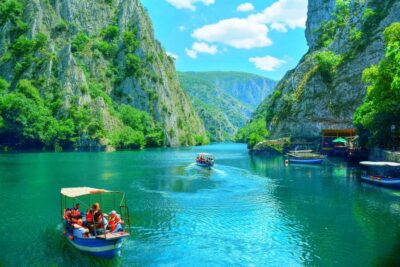
Matka Canyon, Millennium Cross and Etno Village Tour
Read our review →
Matka Canyon, Millennium Cross & Village Tour
Read our review →
Kosovo in a Day-Group Tour to Pristina & Prizren
Read our review →
Ohrid UNESCO Heritage: Full-Day Guided Tour from Skopje
Read our review →
Group Tour from Skopje:Millennium Cross,Matka Canyon&Etno Village
Read our review →
Matka, St.Pantelemon, Millennium Cross Tour & Brunch
Read our review →Browse the lists this tour appears in