
Reviewed · KOSOVO DAY TRIPS
N. Macedonia, Kosovo & Albania; Semi – Private Tour
Four days can feel like teleporting. This semi-private route strings together UNESCO Ohrid and Skopje’s iconic Stone Bridge in one practical loop. I love the chance to walk Berat’s medieval lanes, especially with its famous 1001-window look, and then shift to Ohrid’s church-and-lake viewpoints. I also like how the trip moves beyond one capital, with Prizren’s old-town river setting and mosque details that make the city feel lived-in. One consideration: you’ll be in the car quite a bit, so the pace can feel fast between stops.
A big plus is the guide. The English-speaking tour leader (one example is Eraldo) is described as friendly, informative, and genuinely helpful, which matters when you’re moving through three countries in four days. You also get hotel pickup and drop-off in Tirana, so you spend less time figuring out logistics and more time seeing places.
For the price, the value is in what’s already handled. Entry tickets, tourist taxes, road taxes, and international car insurance are included, plus 3-star hotels with breakfast, so you can budget for lunches and dinners instead of surprise add-ons.
In This Review
- Key highlights you should know
- Tirana to Ohrid, Skopje, Prizren, then Kruja: the trip’s real rhythm
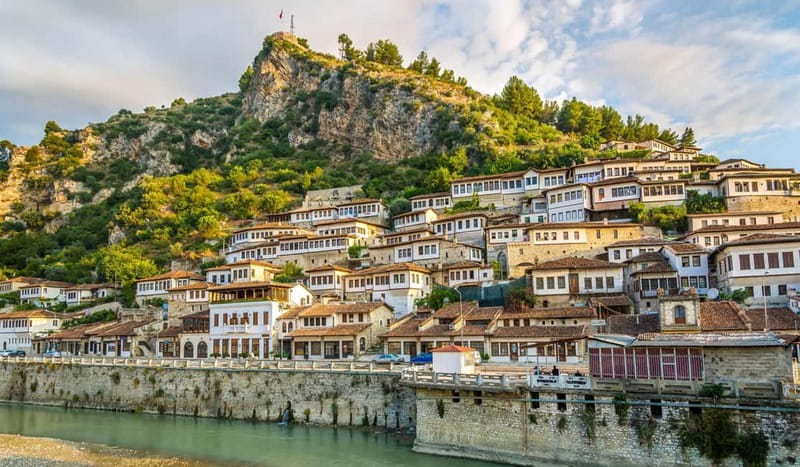
- Berat’s castle city feel and the 1001-windows moment
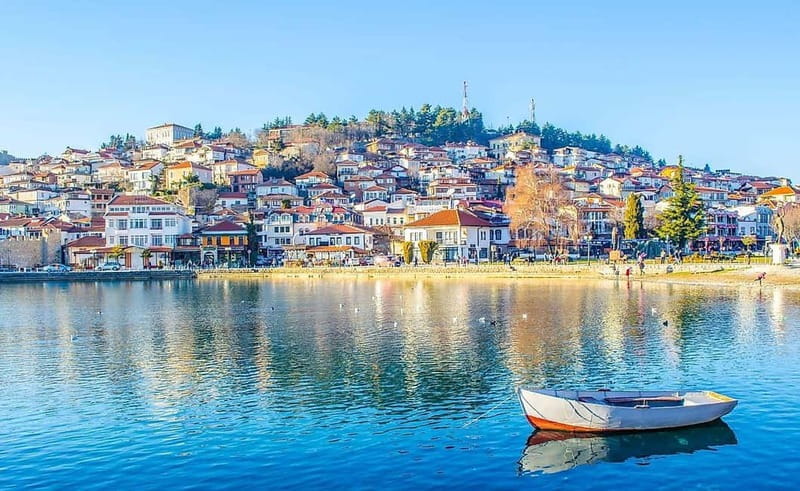
- Ohrid UNESCO: churches, lake views, and the feeling of an ancient crossroads
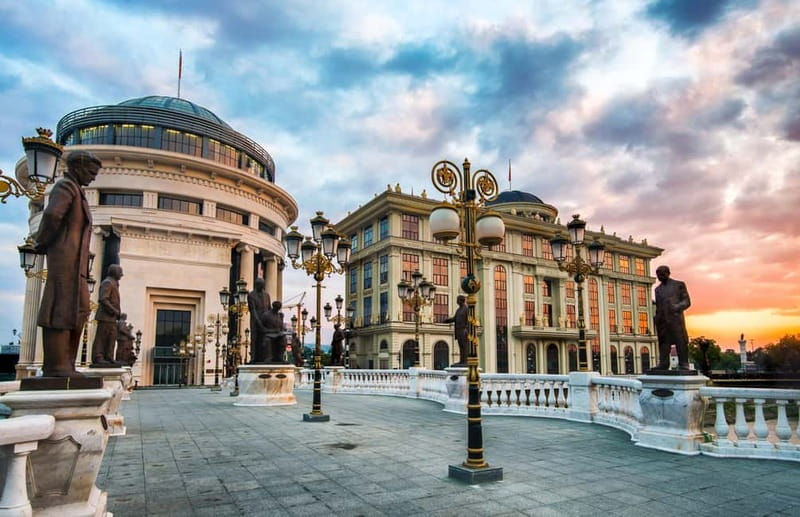
- Skopje’s Stone Bridge and the Old Bazaar you can actually wander
- Pristina for independence symbolism, then Prizren for old-town river magic
- Kruja’s Medieval Bazaar and castle: the Albanian resistance story in stone
- Hotels, transport, and what the included items actually buy you
- Comfort, timing, and how to get the most from walking-heavy days
- Who should book this North Macedonia, Kosovo, and Albania route
- Should you book it?
- FAQ
- How long is the tour?
- Where does the tour start and end?
- What cities and sites are included in the itinerary?
- Is the tour guide available in English?
- Are meals included?
- What is included in the price?
- What should I bring?
- Is the tour wheelchair accessible?
- Is smoking allowed during the experience?
Key highlights you should know
- UNESCO Ohrid with major sights like churches and a famous viewpoint over Lake Ohrid
- Berat’s 1001 windows and the feel of a castle city where people still live inside the walls
- Skopje Old Bazaar plus the Stone Bridge that links old and new parts of the city
- Kosovo’s Pristina stops including the Newborn monument and Sheshi Nena Tereza boulevard time
- Prizren’s old town with its river-running-through-the-center layout and bridge views
- Kruja’s Medieval Old Bazaar and castle tied to Albanian resistance against Ottoman expansion
Tirana to Ohrid, Skopje, Prizren, then Kruja: the trip’s real rhythm
This tour is built for people who want multiple big highlights without having to piece everything together. You start in Tirana, then work your way through North Macedonia and Kosovo before finishing back in Albania. It’s a smart route on paper because each day has a clear “anchor” city, and you’re not stuck only in one place.
The tradeoff is time. The itinerary includes drives between cities, so you’ll want to pack for comfort: water, sunscreen, and a good hat help a lot. If you’re the type who likes long, slow museum days with minimal driving, this may feel busy. If you like variety and you’re okay trading a bit of slowness for breadth, you’ll probably find it satisfying.
Also, this is a good example of where “semi-private or small groups” pays off. You get a dedicated tour leader and private transport, which usually means fewer delays and less waiting around than larger group formats.
More day trips over the border into Kosovo:
Berat’s castle city feel and the 1001-windows moment
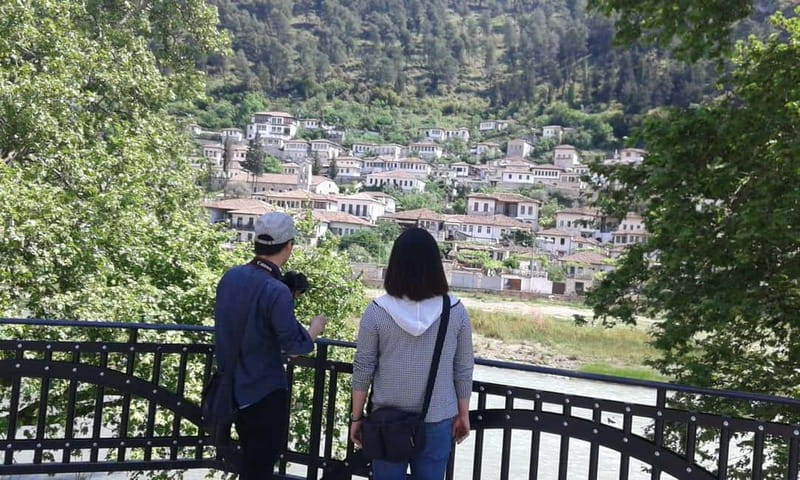
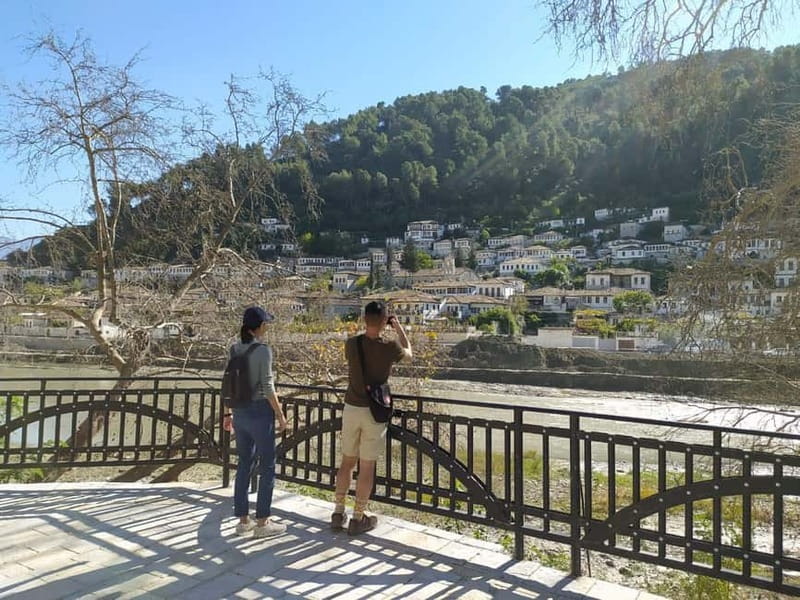
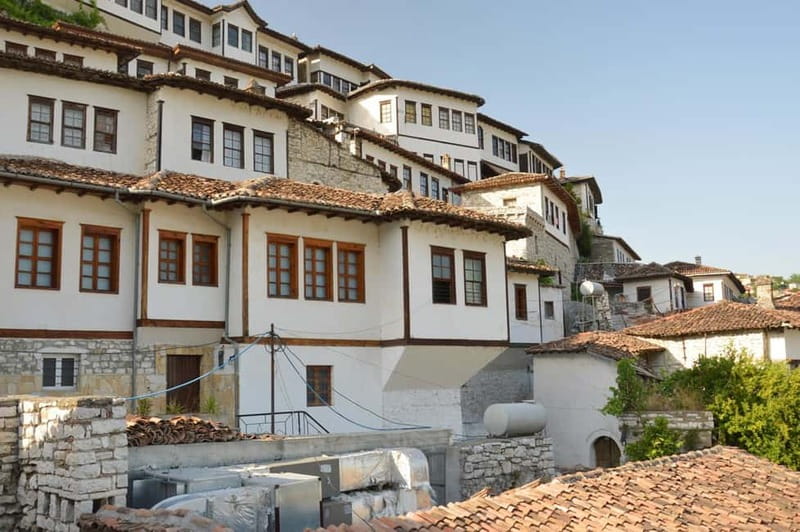
Day 1 takes you from Tirana to Berat, known as the town of 1001 windows. That nickname isn’t just marketing. As you walk the narrowed stone streets and look at the medieval houses, you get the sense that the hillside itself is part of the architecture. Berat’s buildings stack up across the slopes, so views happen even when you’re just turning a corner.
Berat is also a UNESCO World Heritage site, and the tour leans into why that matters. You’ll hear how the city traces back to early Illyrian settlement and later became a castle city known as Antipatrea. What makes the place especially memorable is that residents still live inside the castle walls. You’re not touring a “dead” historic area, you’re walking through a real neighborhood layered with centuries.
You’ll also get an Onufri connection. Berat is described as the birthplace of Onufri, a famous painter of churches across the Balkans. Even if you’re not a specialist in religious art, that detail helps you read the region better. It tells you that the Orthodox icon and church tradition here wasn’t random, it had local roots.
Before heading to Ohrid for the night, the route includes the Gorica neighborhood. That helps break up the day so you’re not just doing one heritage zone and racing out. After a day like this, it also makes sense to sleep in Ohrid, because Day 2 focuses heavily on sights there.
What to watch for in Berat: wear shoes you can trust on stone lanes. And if you’re sensitive to sun, plan to spend time shaded or take short pauses, since the walkways can feel exposed.
Ohrid UNESCO: churches, lake views, and the feeling of an ancient crossroads
Ohrid is the emotional center of this trip, and you’ll feel it in how Day 2 is structured. The city is part of UNESCO World Heritage, and it’s known as one of the oldest human settlements in Europe. That framing matters because the sites you visit are not isolated monuments. They’re part of a place people have continued to live in, worship in, and build around.
The itinerary highlights several major stops. You’ll go to the viewpoint of the church of St. John, which is one of those moments where you get a “yes, this is why people come” view. Ohrid Lake sits below the viewpoint, and the surrounding mountains shape the whole scene. Even if you’ve seen lakes in other countries, this particular combination tends to land differently because the town’s church-to-lake connection is so direct.
You’ll also see the church of St. Nicolas and the Halveti Hayati Tekke mosque. That mix is a big part of why Ohrid works. It’s not only one religious tradition displayed for visitors. It’s multiple layers that reflect the region’s long interactions. Walking between them helps you understand how cultural change played out in everyday city spaces.
The tour also mentions Ohrid’s castle and amphitheater, and the overall city layout: churches, castle viewpoints, and lake views. Even if you don’t spend your whole day inside archaeological zones, you still get a sense of how the old structures connect to how the city works today.
Practical note: if your camera roll fills fast, plan ahead. Ohrid gives you photo angles in quick succession, especially around viewpoints and church exteriors. Bring your water, because Day 2 involves walking plus uphill moments near viewpoints.
Skopje’s Stone Bridge and the Old Bazaar you can actually wander
After Ohrid, you head to Skopje, and the first “anchor” sight is the Stone Bridge. It links the new part of Skopje to the older city side, so it’s more than a pretty photo spot. It’s a visual shortcut for how the city evolved: modern development on one side, older urban fabric on the other.
Then you step into the Old Bazaar of Skopje, described as the biggest in the Balkans. I like bazaars like this because you get movement without a strict schedule. You can browse, step aside for a closer look, and rejoin the main route when you want. The tour timing leaves you time to wander, which is important in cities where you’ll naturally slow down for sights, smells, and small street details.
The Old Bazaar stop also plays well with the idea of “history plus daily life.” In Skopje, you’re not just looking at heritage buildings like a stage set. You’re moving through a place where people shop and walk like the city is still functioning. That’s a good way to understand the region beyond postcards.
One consideration: bazaars can be a lot on the senses. If you’re easily tired by crowds and noise, take short breaks and focus on one or two “missions,” like finding artisan goods or simply walking the main lanes slowly once.
Overnight in Skopje helps you reset before the next day, which includes both a Kosovo capital stop and Prizren.
Other Skopje trips worth putting beside this one
- Private Full Day Trip to Pristina and Prizren from Skopje
★ 5.0 · 60 reviews - Private Full-Day Pristina Tour from Skopje
★ 5.0 · 28 reviews - Skopje: Private Half-Day Walking Tour of Old & New
★ 4.8 · 28 reviews - From Skopje private tour of National Park Mavrovo and Ohrid
★ 5.0 · 26 reviews
Pristina for independence symbolism, then Prizren for old-town river magic
Day 3 splits into two cities, and that’s a smart move because it gives you a broader sense of Kosovo. First comes Pristina, the capital. You’ll visit the Newborn monument, described as a symbol of independence, and then you’ll head toward Sheshi Nena Tereza, where you can enjoy coffee at the many local cafes.
That coffee break is more than a pause. It’s a chance to see how urban life feels in the capital, even if your time is limited. You’re not just collecting monuments; you’re experiencing a public space.
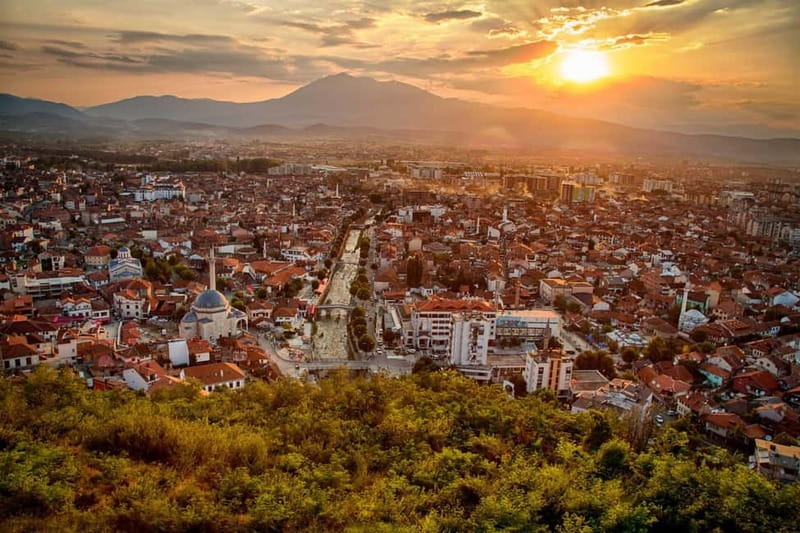
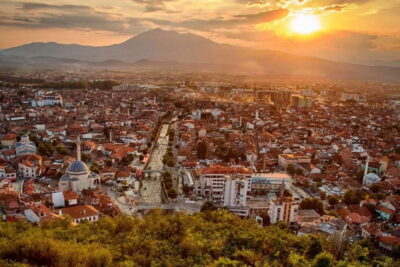
Then you drive onward to Prizren, often called the cultural capital of Kosovo. The tour’s description focuses on what makes the city feel different: religious tolerance, nature around the city, and the way the town is organized around the river that runs through the heart of the old town. Add the bridges crossing over it, and you get constant layered views as you walk.
Prizren also has a crafts identity, with filigree artisanal techniques for precious metals called out as a point of pride. If you like handmade items, this is a good moment to slow down and look closely. Even if you don’t buy, watching the craft tradition at work helps you understand why the city values it.
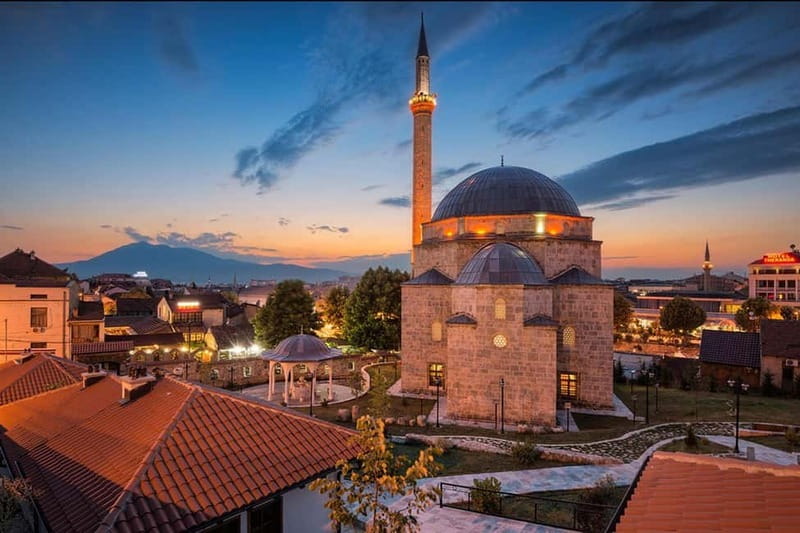
The mosque stop is the Sinan Pasha Mosque, described as rich in arabesque color and pattern. This is one of those “look closely, don’t just pass by” sites. The patterns tend to reward patience, and you’ll likely appreciate it more if you take a couple of minutes just to study details rather than chasing quick photos.
Finally, you’ll have time at the fortress on the hill for a panorama. This part is useful because it ties everything together. You see the river layout, the bridge crossings, and the way the old town spreads across the slope.
You also get free afternoon time in Prizren. That freedom is one of the best features of the trip, because it lets you choose your own pace after a structured day.
Kruja’s Medieval Bazaar and castle: the Albanian resistance story in stone
Day 4 brings you back toward Albania and ends in Tirana, with Kruja as the highlight. Kruja is tied to the Albanian resistance against Ottoman expansion during the 15th century, so your walk isn’t only about old architecture. It’s also about the story people associate with the place.
The route includes the Medieval Old Bazaar with narrow streets and wooden houses. This is a good shopping area too, and the tour specifically points out souvenirs like carpets and jewelry, including handmade items. If you want something that feels connected to local craft traditions, this is a logical place to focus your last purchases rather than hunting across the whole country.
Then there’s the castle of Kruja, described as built during the 5th century A.D. and placed on a rocky hill where it was hard for enemies to attack. That placement matters. When you stand on the hill, you can feel why the fortification had strategic value. It’s one of those historic details that becomes clearer in person.
You’ll have free time before driving back to Tirana to end the tour. That last stretch is also your chance to rebalance your energy. After three heritage-heavy days, it’s nice to have a simpler final day.
Practical tip for Kruja: wooden houses and stone lanes can be uneven. Comfortable shoes are not optional here, and a hat plus water help if the sun is strong.
Hotels, transport, and what the included items actually buy you
The tour includes accommodation and breakfast in 3-star hotels for all overnights. You’re also covered with private transport and a professional tour leader. Hotel pickup and drop-off in Tirana is included, which removes one of the most annoying parts of multi-day routes.
Entry tickets for the visited sites are included, as well as tourist taxes, road taxes, and international car insurance. That sounds like “fine print,” but it matters for value. It means you don’t have to constantly ask, How much will this cost at the door?
You should still plan for lunches, dinners, and drinks, since those are not included. Souvenirs and personal spending are also on you. So when you compare price to other trips, don’t just look at the headline. This package is strong for people who want guided access and major ticket items taken care of.
The tour is described as English language with live guiding, and it can be private or small groups available. That’s a good setup for travelers who like clarity and a guide who can answer questions without rushing.
Comfort, timing, and how to get the most from walking-heavy days
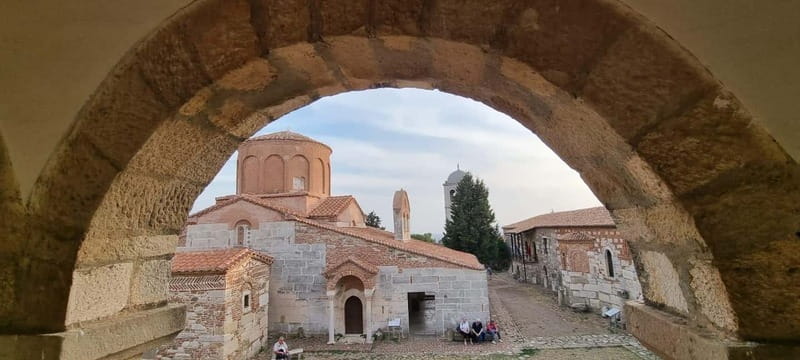
This itinerary works best if you’re comfortable with walking and short uphill stretches around old towns and viewpoints. Ohrid and Prizren in particular reward good footwear, because you’ll move between churches, mosques, river views, and fortress panoramas.
What to bring is practical and worth following:
- Comfortable shoes
- Hat, plus sunscreen for daytime
- Water, especially for long walking windows
- Camera if you care about viewpoints and architecture
- Passport or ID card, with a copy accepted
Also, smoking is not allowed during the experience, so plan accordingly.
Tipping is treated as “recommended, not required.” That fits with many parts of the Balkans. If you felt your guide and driver were helpful, a tip is a respectful way to acknowledge that work.
One more consideration: there’s no stated accessibility support, and the tour is not suitable for wheelchair users. If mobility is a concern, it’s worth checking whether the walking and transfers would be manageable for you.
Who should book this North Macedonia, Kosovo, and Albania route
I’d point this tour at travelers who want:
- Big highlights in UNESCO Ohrid, Skopje, Prizren, and Kruja without planning every detail
- A guide-led experience that covers major monuments plus time to wander
- A trip that mixes architecture, city viewpoints, and artisan crafts (like the filigree craft theme in Prizren)
You might want to rethink it if:
- You hate car time and prefer day-by-day minimal driving
- You want lots of independent restaurant time and long stays in one city
- You need wheelchair-friendly access
Should you book it?
Book it if you want a well-structured, English-guided route that hits the standout places in Albania, North Macedonia, and Kosovo in just four days. The value feels especially good because hotels with breakfast and key entry tickets are included, and you’re not paying extra at every stop for basic necessities.
Skip or at least consider alternatives if you’re not a fan of packed days. The upside is plenty, but the schedule is clearly designed for seeing a lot. If that’s your style, this is a strong way to experience Ohrid’s church and lake setting, Skopje’s Old Bazaar atmosphere, Prizren’s river old town, and Kruja’s resistance story all in one loop.
FAQ
How long is the tour?
It runs for 4 days.
Where does the tour start and end?
The tour includes hotel pickup and drop-off in Tirana, and it ends with the drive back to Tirana.
What cities and sites are included in the itinerary?
The route includes Berat, Ohrid, Skopje (including the Stone Bridge and Old Bazaar), Pristina (Newborn monument and Sheshi Nena Tereza), Prizren (including Sinan Pasha Mosque and a fortress viewpoint), and Kruja (Medieval Old Bazaar and the castle).
Is the tour guide available in English?
Yes, the live tour guide is English.
Are meals included?
Accommodation and breakfast are included. Lunches, dinners, drinks, and snacks are not included.
What is included in the price?
Included are accommodation with breakfast, private transport, a professional tour leader, hotel pickup and drop-off in Tirana, entry tickets for visited sites, tourist taxes, road taxes, and international car insurance.
What should I bring?
You should bring comfortable shoes, a hat, camera, sunscreen, water, and a passport or ID card (a copy is accepted).
Is the tour wheelchair accessible?
No, it is not suitable for wheelchair users.
Is smoking allowed during the experience?
No, smoking is not allowed.
New on the site from Skopje
- Skopje city tour★ 5.0 · 1 review
- Traditional cooking class at home★ 5.0 · 1 review
- Vinica, Lesnovo Monastery and Kratovo tour from Skopje★ 5.0 · 1 review
- Relaxing Walking Tour in Skopje★ 5.0 · 1 review
- Private Skopje Tour with Visit to Vodno Mountain and Matka Valley★ 5.0 · 1 review
- Private Full-Day Tour of Ohrid from Skopje with Transfers★ 5.0 · 1 review
Kosovo Day Trips, compared.
Kosovo in a Day-Group Tour to Pristina & Prizren
Read our review →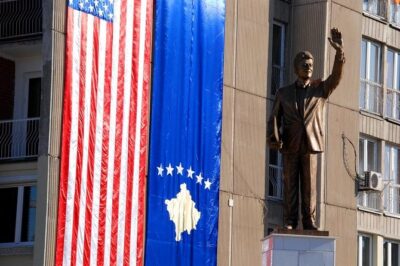
Kosovo Day Trip: Pristina and Prizren Tour from Skopje
Read our review →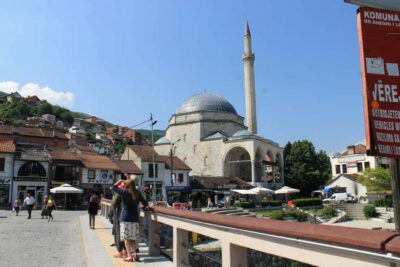
Day Tour from Skopje to Pristina and Prizren, Kosovo & Kukes Alb
Read our review →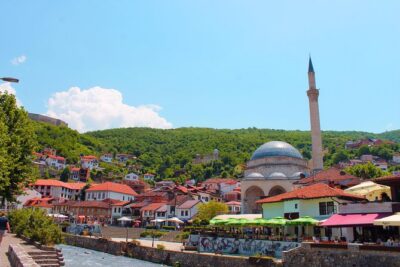
Private Full Day Trip to Pristina and Prizren from Skopje
Read our review →
Browse the lists this tour appears in