
Reviewed · KOKINO & KRATOVO TRIPS
Kokino, Kuklica and Kratovo from Skopje
Three time periods in one Skopje day. This route strings together Kokino, a Bronze Age sky site, the medieval Church of St. Georg in Staro Nagoricane, and the unusual towns of Kratovo and Kuklica. You’ll get lots of walking time, plus those big countryside views that make the drive feel like part of the day, not dead time.
I love how Kokino turns ancient “skywatching” into something you can understand with your feet on the ground, from solstices to equinox markers on the eastern horizon. And I love the chance to see the Palaiologan Renaissance frescoes at the Church of St. Georg, including the way saints and feast scenes are arranged through the church year.
One possible drawback: this is an active day. Expect steady walking at Kratovo and uneven terrain around Kokino and Kuklica, with full sun when the weather is warm.
In This Review
- Key highlights worth planning for
- Why this Kokino-Kratovo-Kuklica day trip makes sense
- Getting from Skopje to Staro Nagoricane and onward
- Staro Nagoricane’s Church of St. Georg: frescoes you can follow like a calendar
- Kokino’s Bronze Age skywatching: sun, moon, and stone seats
- Kratovo in a volcanic crater: walking, architecture, and lunch
- Kuklica’s stone pillars: over 120 “naturally formed” monuments
- Lunch, snacks, and how the day stays comfortable
- Languages, guide style, and why a private format helps here
- Is $159 per person good value for Kokino, Kratovo, and Kuklica?
- Who should book this tour?
- Should you book this Kokino, Kratovo and Kuklica tour?
- FAQ
- How long is the Kokino, Kratovo and Kuklica tour from Skopje?
- Where does the tour start and end?
- What are the main stops during the tour?
- Is lunch included?
- What languages does the live guide speak?
- Are water and refreshments provided?
- Is this tour private?
- What should I bring?
- Who is the tour not suitable for?
Key highlights worth planning for
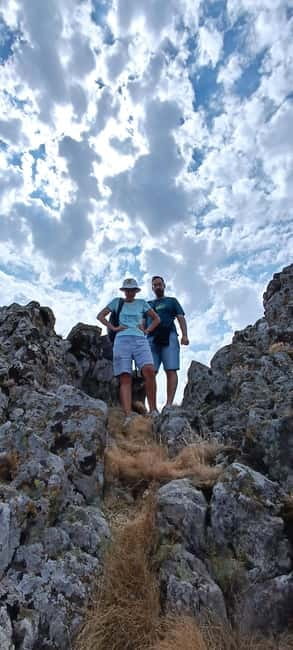
- Kokino’s megalithic observatory, designed for sun and moon tracking on the eastern horizon
- Staro Nagoricane’s Church of St. Georg, a cross-in-square church known for its frescoes
- Kratovo’s crater origins, shaping the city’s tight, distinctive architecture
- Kuklica’s stone town, with over 120 naturally formed pillars and a famous local legend
- A real lunch stop, not a rushed snack, with water and refreshments along the way
Why this Kokino-Kratovo-Kuklica day trip makes sense
If you want one day that covers North Macedonia’s “layers,” this is the kind of itinerary that actually delivers. You start in Skopje, then hop through three very different settings, all connected by what humans chose to build and believe in: ancient astronomy, medieval Christianity, and later town life in a dramatic volcanic landscape.
The timing also helps. At 7 hours, you get enough time at each stop to notice details, but it’s still short enough that you are not living out of a suitcase. And since it’s a private group with pickup and drop-off in Skopje, you’re not burning half your day meeting strangers.
More Kokino and Kratovo trips:
Getting from Skopje to Staro Nagoricane and onward
Pickup is from your hotel in Skopje, and you return to the same place after the loop. That door-to-door setup matters, because this part of North Macedonia is not the easiest to stitch together by public transport in one smooth day.
The drive from Skopje to Kokino is about 25 minutes, so the day never feels like a nonstop bus ride. Between stops, you’ll also have breaks for snacks and water, which helps when temperatures run high or you’re walking in strong sun.
Staro Nagoricane’s Church of St. Georg: frescoes you can follow like a calendar
Staro Nagoricane is a compact village setting, and the main reason to stop here is the Church of St. Georg. This is the kind of church where the building and the painted program work together, and the guide’s explanations make the frescoes easier to read.
The church was built by the medieval Serbian king Stefan Milutin. Architecturally, it’s a cross-in-square church with a narthex, and the bema and naos are separated by a stony iconostasis. Even if you’re not a church-architecture expert, this layout gives you a clear sense of how space was organized.
Then come the frescoes, which are described as a 14th-century masterpiece of the palaiologan period. The style is tied to the Palaiologan Renaissance, linked to the revival of ancient forms and iconographic innovations coming out of the 13th century. What I like most about the way the experience is framed is the storyline effect: images of saints and feast scenes are presented in the order they are celebrated during the year.
Practical tip: in a church like this, don’t rush. Even a quick stop can feel meaningful here, but you’ll appreciate it more if you give yourself time to look panel by panel rather than taking one wide photo and moving on.
Kokino’s Bronze Age skywatching: sun, moon, and stone seats
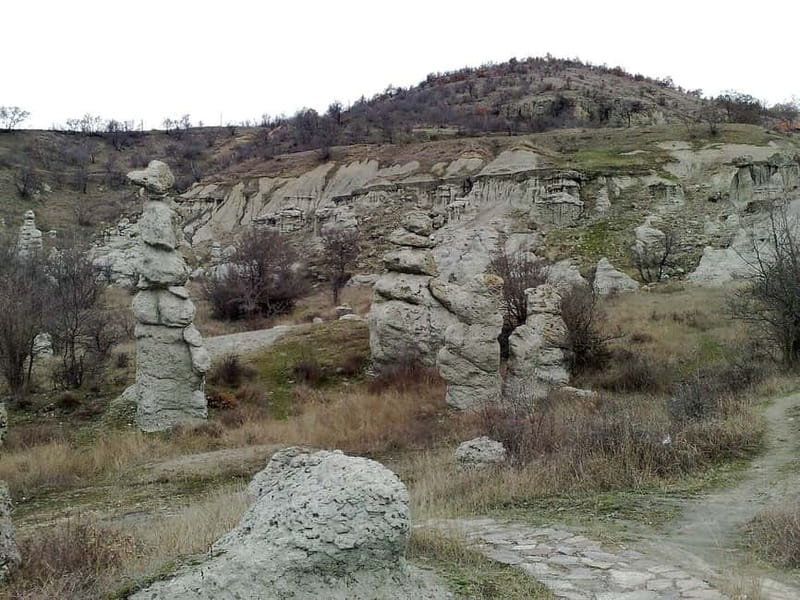
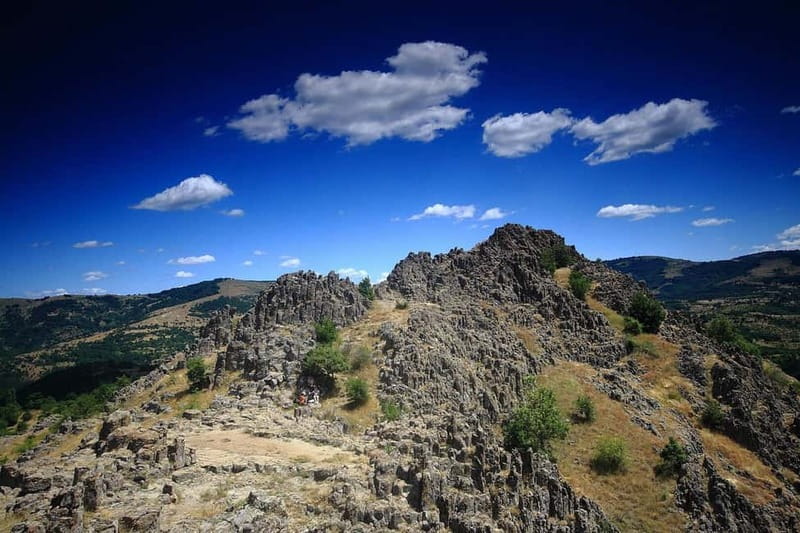
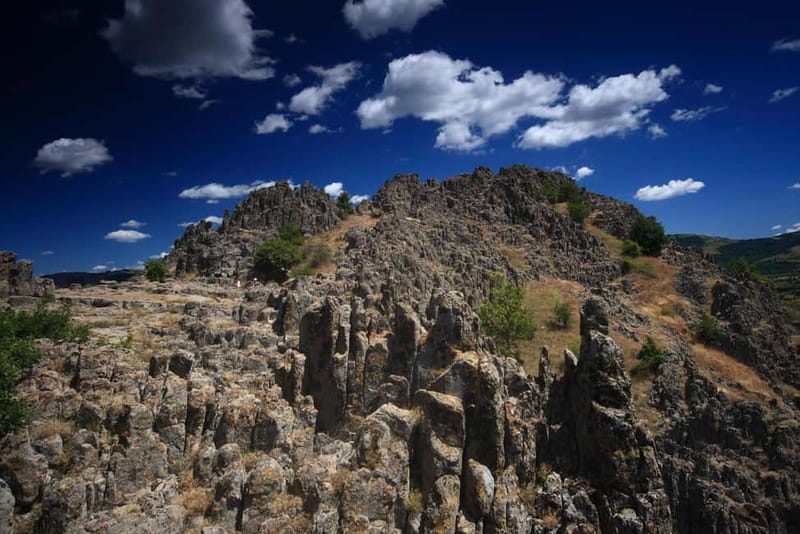
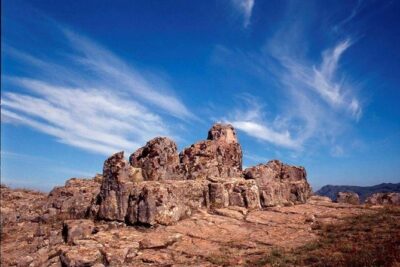
Next you head to Kokino, and the setting alone raises expectations. This is a Bronze Age archaeological site often called a megalithic observatory, with the oldest finds dating to about the 19th century BC (early European Bronze Age).
What makes Kokino special is that it was not built randomly. It functioned as a sacred place and an observatory for tracking the movement of the Sun and Moon on the eastern horizon. The method described is “stationary observation,” with markers used to note where the Sun appears at key points: the winter solstice, summer solstice, and the equinox.
On the lower platform, there are four stone seats, sometimes referred to as thrones, placed in a row. Standing there, you start to understand why people would have treated this site as important. This wasn’t about abstract astronomy. It was about noticing the changing light, predicting seasonal moments, and building communal meaning around those cycles.
What to expect during your visit:
- A guided look that connects the markers to the solstice and equinox idea
- Time to explore the site on foot and take in the viewpoints
- A walkthrough that helps you “see” how watching would have worked
Potential drawback to keep in mind: the site is outdoors and involves walking over uneven ground. If you’re sensitive to heat or footing, plan for steady shoes and take your time on the paths.
More tours based in Skopje:
- Skopje: Matka Canyon, Millennium Cross and Etno Village Tour
★ 4.7 · 1,906 reviews - Skopje: Matka Canyon, Millennium Cross & Village Tour
★ 4.8 · 1,019 reviews - Walking In Skopje
★ 5.0 · 390 reviews - From Skopje:Kosovo in a Day-Group Tour to Pristina & Prizren
★ 4.7 · 372 reviews
Kratovo in a volcanic crater: walking, architecture, and lunch
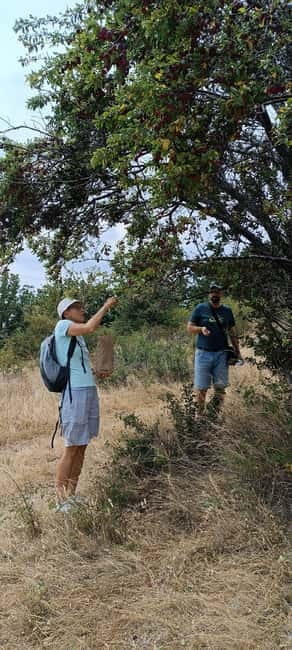
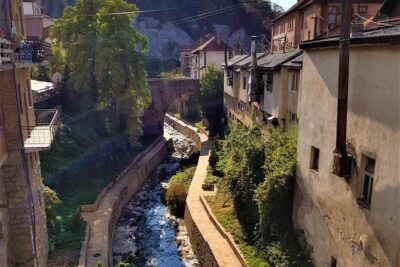
After Kokino, the tour heads to Kratovo, a small town known for its distinct architecture. The big idea behind the look of Kratovo is geography. The name is tied to the town being situated in the crater of an extinguished volcano, and the relief conditions shaped how people built there.
It’s also connected to older settlement history. The area is associated with earlier Byzantine-era references under names like Kratis or Koriton, and the current name traces back to that crater setting.
You’ll get time to walk and sightsee with a guided explanation, plus a lunch stop. In Kratovo, the schedule also includes time for coffee tasting, and there’s mention of aerial views, so you should expect at least one viewpoint moment where the town layout makes sense from above.
What makes this stop feel worth it, not just “pretty town photos”:
- The guide connects the unusual setting to the way the town was built
- You’ll have time for a calm walk, not just a quick photo stop
- You’re eating locally during the most comfortable part of the day (plan around your own energy levels)
If you dislike walking in warm weather, this is where you’ll feel it most. The good news is you’re also fed. And with a private format, you can keep your own pace without a crowd pressuring you.
Kuklica’s stone pillars: over 120 “naturally formed” monuments
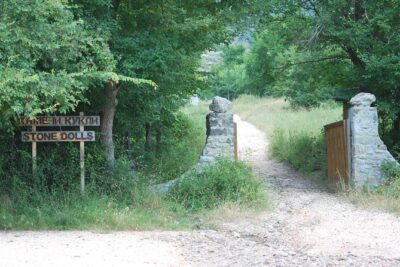
Finally, you reach Kuklica, often described as the stone town of “Stone Dolls” (Kuklici). This is the part of the day where your brain does the most “wait, how is that real?” work.
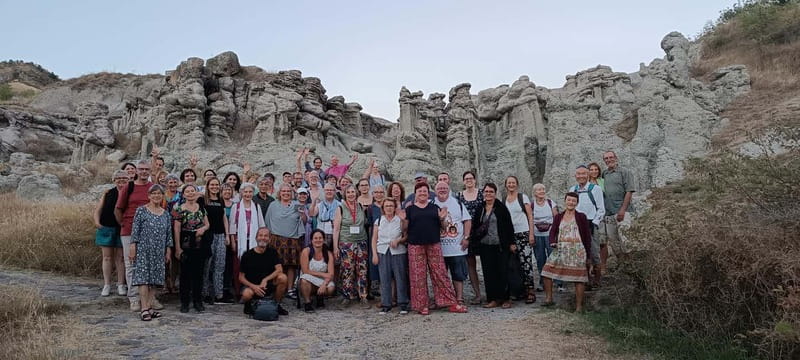
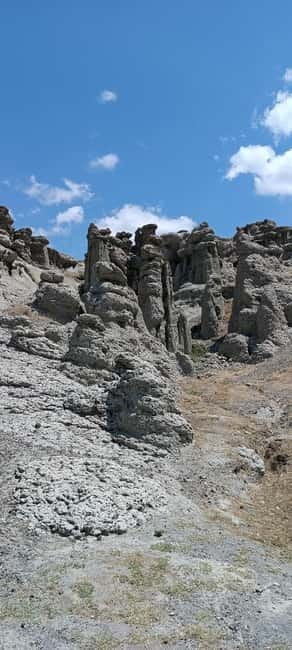
Kuklica consists of more than 120 naturally formed stone pillars. That means you’re not looking at carved figures, but at a landscape outcome that people turned into story and identity.
The legend attached to the stone pillars makes the place feel personal. The story goes that a man couldn’t decide between two women to marry. His plan was to marry each on the same day at different times. When the second woman went to see what was happening, she saw her husband marrying someone else and cursed everyone present at the wedding. The curse turned them into stone.
Is the legend literal? Of course not, but legends are often a locals-only map for how to see a place. It gives you something to focus on while you walk among the pillars: looking for structure, patterns, and the way paths bend between stones.
During your Kuklica time, expect:
- A guided visit that explains what you’re seeing
- Walking time of about 45 minutes
- Enough time to take photos without feeling dragged
Practical tip: bring your sun gear and watch your footing. Pillars and uneven ground make traction important.
Lunch, snacks, and how the day stays comfortable
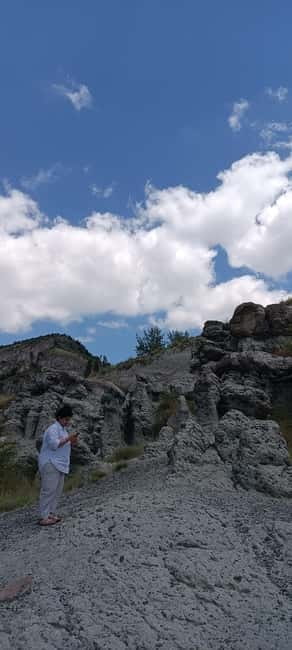
One thing I appreciate in this route is that food is built in, not left to luck. The tour includes an authentic lunch in a restaurant, and you also have water and refreshment drinks during the day.
There’s also a snacks-and-water window between locations. That matters because the itinerary mixes strong visual stops with active walking. You’ll feel better if you treat the snacks as a mini reset rather than saving them until you’re already tired.
If you’re choosing what to pack, think “sun and energy.” Sunglasses, a hat, and sunscreen are explicitly recommended, and they make a real difference when you’re outside for multiple stops.
Languages, guide style, and why a private format helps here
This tour is led by an experienced licensed guide. Language options listed include German, English, Serbian, and Bulgarian. In practice, that’s not a small detail. When you’re moving from Bronze Age astronomy to medieval fresco cycles, you need someone who can explain what you’re looking at in a way that clicks.
Named guide examples from recent departures include Vojislav, with German-language praise in particular, and Dejan, described as friendly and helpful. The common thread is that the guides don’t just recite dates. They explain the sites, connect the dots between periods, and answer questions in a way that makes the day feel personal.
With a private group, you also get flexibility on your pace. If you want to pause for photos or spend extra time in the church, you can usually do it without feeling rushed by a busload schedule.
Is $159 per person good value for Kokino, Kratovo, and Kuklica?
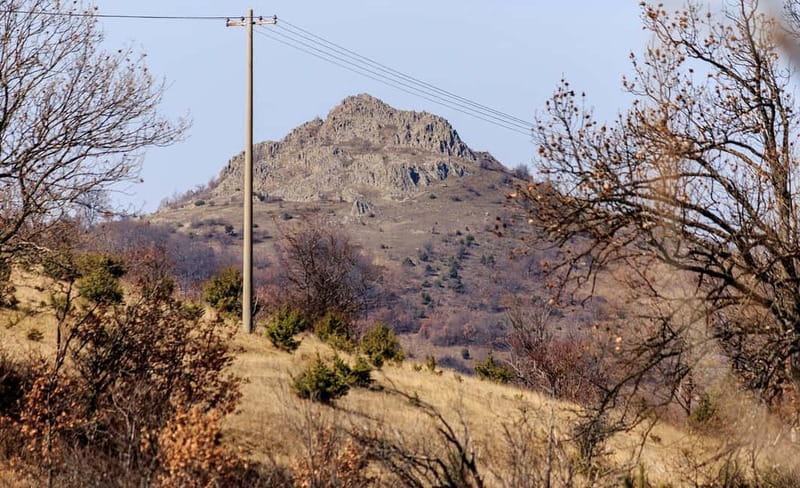
At $159 per person for a 7-hour day trip, the value comes from stacking multiple major experiences into one guided format.
Here’s what you’re paying for:
- Transport round trip from Skopje with hotel pickup and drop-off
- A licensed guide for the whole route
- Admission-like guided access to several distinct sites
- An authentic lunch at a restaurant
- Water and refreshments, plus snacks during transitions
If you tried to DIY this, you’d likely spend extra time coordinating transport and you would lose the “what am I looking at and why does it matter” explanations that make Kokino and the church hit harder. In other words, this price buys more than movement. It buys interpretation, and that’s what turns sightseeing into understanding.
Who should book this tour?
Book it if you:
- Like architecture, ruins, and religious art, and you want context
- Want a single-day route that connects ancient, medieval, and local storytelling
- Prefer a private guide with pickup from your Skopje hotel
Skip it if you:
- Need wheelchair access, since the tour is listed as not suitable for wheelchair users
- Travel with very young children, since it’s not suitable for children under 5 and babies under 1
- Are concerned about long walking segments, since multiple stops involve outdoor movement and uneven ground
Should you book this Kokino, Kratovo and Kuklica tour?
If you enjoy sites where the guide helps you see the “logic” behind what you’re looking at, I think this one is a strong choice. Kokino gives you ancient sky science in a walkable setting, Staro Nagoricane adds a medieval fresco experience that’s organized like a calendar, and Kuklica gives you that surreal stone-town feeling capped by a memorable legend.
My practical recommendation: wear shoes you trust on uneven terrain, bring sun protection, and go in ready to slow down for details. This is the kind of day that rewards attention, not speed.
FAQ
How long is the Kokino, Kratovo and Kuklica tour from Skopje?
The tour duration is 7 hours.
Where does the tour start and end?
The tour includes hotel pickup in Skopje and returns you to your pickup location in Skopje.
What are the main stops during the tour?
You visit the Church of St. George in Staro Nagoricane, Kokino, Kratovo (with a walk and lunch), and Kuklica.
Is lunch included?
Yes. Lunch is included in an authentic restaurant.
What languages does the live guide speak?
The live guide speaks German, English, Serbian, and Bulgarian.
Are water and refreshments provided?
Yes. The tour includes water and refreshment drinks.
Is this tour private?
Yes, it is listed as a private group.
What should I bring?
Bring sunglasses, a hat, sunscreen, and your ID card (a copy is accepted).
Who is the tour not suitable for?
It is not suitable for children under 5 years, babies under 1 year, wheelchair users, and people over 95 years.
New on the site from Skopje
- Vinica, Lesnovo Monastery and Kratovo tour from Skopje★ 5.0 · 1 review
- Skopje city tour★ 5.0 · 1 review
- Traditional cooking class at home★ 5.0 · 1 review
- Private Skopje Tour with Visit to Vodno Mountain and Matka Valley★ 5.0 · 1 review
- Relaxing Walking Tour in Skopje★ 5.0 · 1 review
- Private Full-Day Tour of Ohrid from Skopje with Transfers★ 5.0 · 1 review
Kokino & Kratovo Trips, compared.
Monastery Osogovski and Kokino Day Trip from Skopje
Read our review →
Short trip to Osogovo Monastery, North Macedonia from Sofia
Read our review →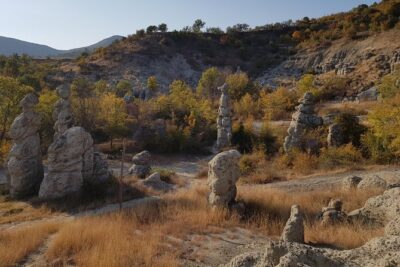
Vinica, Lesnovo Monastery and Kratovo tour from Skopje
Read our review →Browse the lists this tour appears in